top of page

Concord Chapel Animal Hospital
"Caring for Pets and Their People"
This website is currently under construction. Sorry for any inconvenience!
WE NOW HAVE CALL-AHEAD URGENT CARE!
Dental health is an important part of your pet's overall well-being. Just like people, dogs and
cats can develop plaque, tartar buildup, gum disease, tooth infections, and tooth loss. Poor oral
health can cause pain, difficulty eating, bad breath, and may contribute to problems affecting
other organs such as the heart, liver, and kidneys.
Regular dental care helps pets live healthier, more comfortable lives.
Dental Care & Procedures

Understanding Dental Disease

Plaque
Plaque is a sticky film of bacteria that forms on teeth every day.
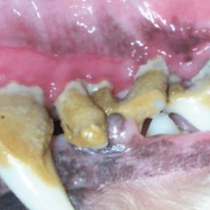
Tartar (Calculus)
If plaque is not removed, it hardens into tartar.
Tartar cannot be removed by brushing alone and
usually requires professional cleaning.

Gingivitis
Gingivitis is inflammation of the gums
caused by plaque and bacteria.
Signs include: Red gums, swollen gums, and/or bleeding during brushing or chewing.
Gingivitis can often be reversed with proper dental care.
Periodontal Disease
Periodontal disease occurs when infection affects the tissues supporting the teeth. It is one of the most common diseases in adult dogs and cats.
Consequences may include: Pain, tooth loss, oral infections, and/or bone loss around teeth

Common Dental Conditions
Broken Teeth
Fractured teeth can expose sensitive inner structures and cause
pain or infection.

Stomatis
A severe inflammatory condition affecting the mouth, more
commonly seen in cats.


Tooth Resorption
(Cats)
A common and painful condition in cats where the tooth structure gradually breaks down.

Oral Tumors
Growths in the mouth should always be evaluated promptly by a veterinarian.
Signs of Dental Problems
Contact your veterinarian if you notice:
Bad breath (halitosis)
Yellow/Brown tartar on teeth
Red, swollen, or bleeding gums
Difficulty eating or chewing
Dropping food while eating
Excessive drooling
Pawing at the mouth
Loose or missing teeth
Facial swelling
Reduced appetite
Changes in behavior or irritability
Cats often hide signs of pain, making routine exams especially important!
Dental Care for Dogs & Cats
Daily Tooth Brushing
Brushing is the most effective way to reduce plaque accumulation.
TIPS FOR SUCCESS:
Use a pet-specific toothbrush or finger brush.
Use veterinary toothpaste only.
Introduce brushing gradually.
Reward your pet with praise or treats.
Focus on the outer surfaces of the teeth.
**NEVER USE HUMAN TOOTHPASTE**
Human toothpaste may contain ingredients that are unsafe if swallowed by pets.
Dental Diets
Specially formulated dental diets may help reduce tartar build-up through:
Larger kibble size
Mechanical cleaning action
Ingredients designed to slow plaque accumulation
As your veterinarian whether a dental diet is appropriate for your pet.
Dental Chews & Oral Products
Some dental products can help support oral health, including:
Dental chews
Water additives
Oral rinses
Dental wipes
Not all producs are equally effective. Look for products supported by veterinary research and your veterinarian's recommendations.
Professional Dental Examinations
Regular veterinary dental examinations help identify problems before they become severe.
A dental assessment may include:
Oral examination
Evaluation of gum health
Assessment for fractured teeth
Screening for oral masses
Discussion of home-care strategies
Many dental problems occur below the gum line and cannot be detected during a visual examination alone.
Professional Dental Cleaning
A complete veterinary dental cleaning typically includes:
Physical examination
General anesthesia for safety and comfort
Dental charting
Ultrasonic scaling above and below the gum line
Polishing of teeth
Dental radiographs (x-rays) when indicated
Treatment of diseased teeth if necessary
Professional cleaning removes tartar and bacteria that cannot be addressed through home-care alone.
bottom of page